
Cleaning Out Your Parents’ House – With Your Siblings
November 30, 2025 | Family, Physical Assets
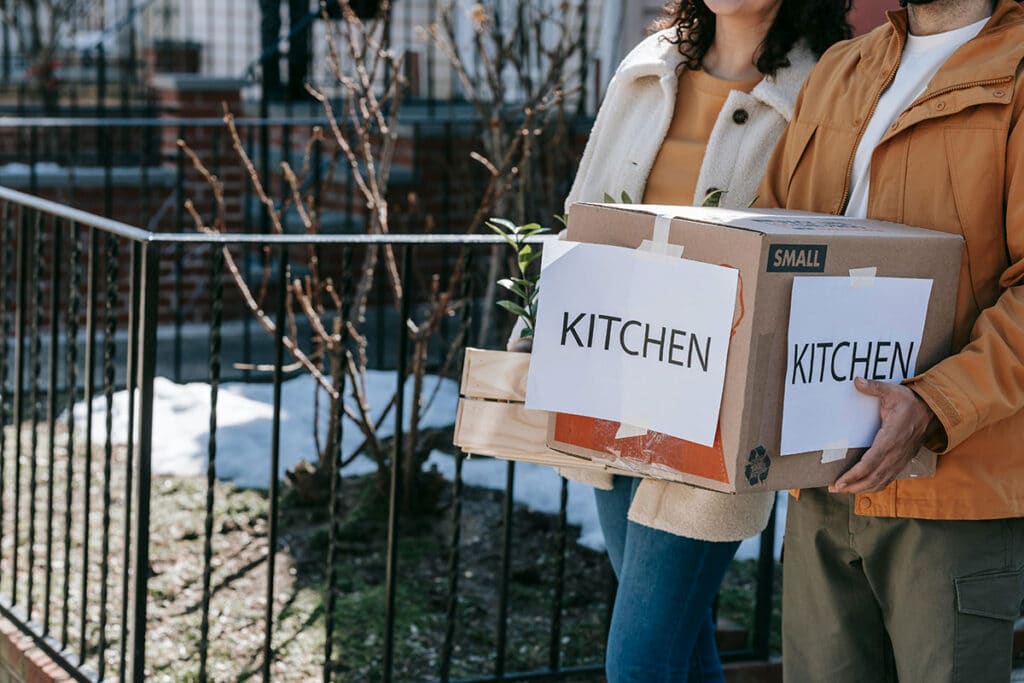
Many children – whether they want to or not – take on the responsibility of cleaning out the family home when their parents die or need to downsize.
This is a huge task, both physically and emotionally. You are not just dealing with “things,” but with decades of memories. And if you’re working with siblings to get the job done, inevitably you’re also going to have to work with them to make key decisions about what to keep, throw out, or donate.
When you start this project, approach it by prioritizing family relationships over possessions.
Here are tips for sorting and managing the inevitable sibling disputes, based on best practices.
The Sorting Strategy: Keep, Toss, Donate
Before you begin, have your parents or estate attorney confirm whether there is a Will or a Letter of Instruction that specifies who gets certain items. If they do, that must be followed first.
1. Preparation and Phased Approach
- Establish a Staging Area: Designate one room (like the garage or dining room) to hold all items categorized for Keep, Donate, Sell, and Trash.
- Don’t Go Down the Rabbit Hole: When you find sentimental items (photos, letters), do not stop and read them. Put them into a clearly labeled “Memorabilia to Sort Later” box. Sorting them now will bring the process to a halt.
- The Three-Second Rule: For most everyday items, make a decision fast. If the answer isn’t immediately “Yes, this is important,” it’s likely a candidate for donation or disposal.
2. Decision Categories
| Category | Criteria for Decision | Action to Take |
| KEEP | High Sentimental Value: Photos, specific pieces of jewelry, heirlooms the family has agreed upon. Important Documents: Originals of Wills, deeds, titles, birth certificates (put in the fireproof safe mentioned earlier). | Label and Inventory: Take a picture, log it on a shared spreadsheet, and label the box with the intended recipient’s name. |
| DONATE | Usable Condition: Furniture, clothing, kitchenware, books that no one wants but are still useful. | Call a Pickup Service: Many charities (like Habitat for Humanity or local thrift stores) will schedule a truck pickup for large items, giving you a deadline and making the process easier. Get receipts for tax purposes. |
| TRASH | Broken, Worn Out, or Hazardous: Anything that is damaged, stained, expired (old food/spices/medicine), or has no resale/donation value. | Hire a Junk Hauler: For large-scale cleanouts, professional junk removal services are often worth the expense. They simplify disposal of large, unwanted items. |
| SELL | High Monetary Value: Art, high-end antiques, specific collectibles. | Consult an Appraiser/Liquidator: If you suspect items have significant monetary value, get a professional appraisal or consider an estate sale company to maximize the return and manage the transaction process. |
Managing Sibling Disputes
This is where relationships can be permanently damaged. Your goal is to keep the peace and prioritize family bonds over physical objects.
1. Set the Ground Rules Before You Start
- No Spouses/Partners: Agree to keep partners out of the decision-making process. Disputes are often amplified when outside interests are involved.
- Agree on the Method: Before anyone touches a thing, agree on a fair division strategy. Do not deviate from it.
- Act with Empathy: Acknowledge that everyone is dealing with the emotional weight of this transition. An aggressive demand for an item is often rooted in grief, not greed.
2. Fair Division Strategies
If your parents did not specify who gets what, a structured process is essential for fairness:
A. The “Wish List” Method
- Each sibling walks through the house alone and makes a private list of the 5-10 items they want most.
- Compare the lists. If an item is only on one list, that sibling gets it immediately. For contested items, move to the next strategy (B or C).
B. The “Round-Robin” Selection
- Assign an order (e.g., eldest to youngest, or draw numbers/flip a coin).
- In order, each sibling chooses one item they want.
- Continue this rotation until all desired items are claimed or the siblings agree to stop. This system ensures equal turns and balances out the value of chosen items over time.
C. The “Monetary Balance” for High-Value Items
If one sibling chooses a high-value item (e.g., a specific piece of heirloom jewelry), and another chooses an item of much lower value, you can balance the distribution. The difference in value can be recorded in a spreadsheet and balanced with cash (if the estate is being divided) or by giving the other sibling more non-monetary items in subsequent rounds.
3. Final Reconciliation
- When in Doubt, Donate: If two siblings are deadlocked over a non-essential item, and no one is willing to compromise, agree that neither sibling gets it, and the item will be donated or sold. This removes the “winner,” preserving fairness.
- Take Photos: If you cannot keep an item but it holds sentimental value, take a high-quality photo of it. Digital memories are often enough to keep the emotion without keeping the physical clutter.
- The Big Picture: Remember that the objects are not as important as your relationship with your siblings. Let go of the small battles to win the war for family harmony.