
The Final Statement: How to Safely Dispose of a Loved One’s Credit Cards
February 8, 2026 | Finances
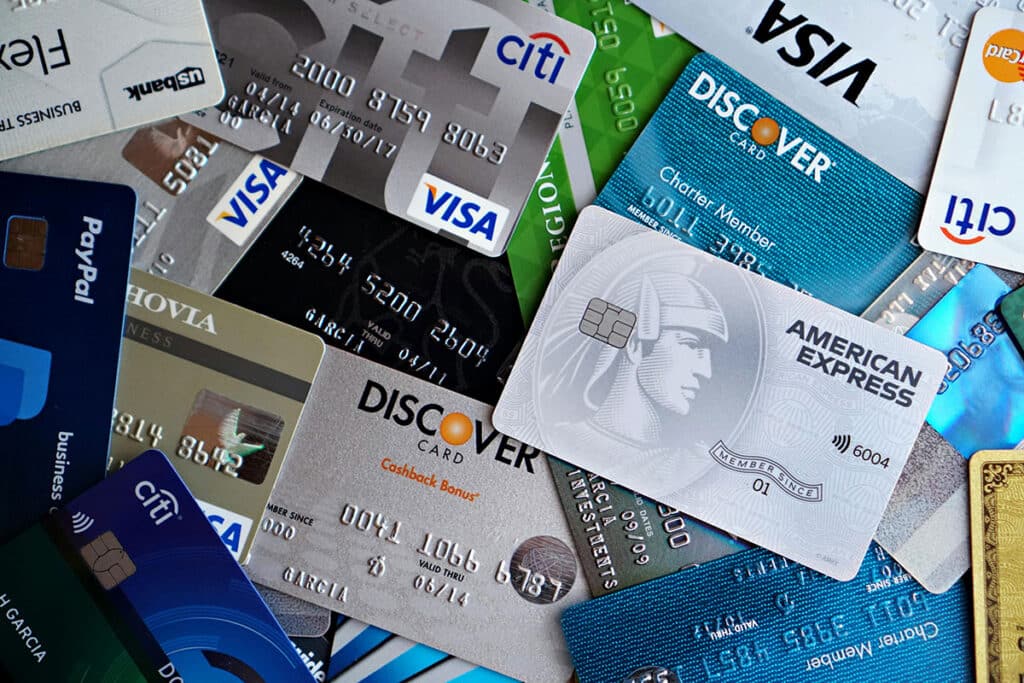
When a loved one passes away, the “to-do” list can feel endless. Between funeral arrangements and legal filings, the debit and credit cards sitting in their wallet might seem like a minor detail. However, leaving those accounts active is a major security risk.
To a “ghost thief”— an identity thief who targets the deceased — an active credit card is an open door. As the person handling the estate, your job is to close that door firmly. Before you reach for the scissors, there are a few legal and digital steps you must take first.
1. The Golden Rule: Stop All Usage Immediately
Even if you are an authorized user or have the PIN, do not use the card. Using a deceased person’s card for any reason—even to pay for their own funeral or utility bills—can be flagged as fraud.
However, if you are a joint account holder, you can continue using the account. For everyone else, the card became invalid the moment the holder passed away.
2. Notify and Freeze
Before physical destruction, you need to “kill” the account digitally.
-
Call the Issuer: Look for “Deceased Account Services” or the “Estate Unit.” You will likely need to provide a certified copy of the death certificate.
-
Alert the Bureaus: Notify Equifax, Experian, and TransUnion. Request a “Deceased Notice” on their credit report. This prevents anyone (including identity thieves) from opening new accounts in your loved one’s name.
3. Physical Destruction: The “Clean Sweep”
Once the bank confirms the account is closed, you can dispose of the physical card.
-
The Plastic Card Protocol: Don’t just snip it in half. Use a hammer to smash the EMV chip and cut the card into small pieces, ensuring you slice through the magnetic stripe and the name.
-
The Metal Card Challenge: Many premium cards are now metal. Do not put these in a home shredder. Instead, call the bank; they will usually send you a prepaid, secure recycling envelope to return the card for professional destruction.
-
Check Authorized Users: Ensure you collect and destroy the cards held by any authorized users (like children or siblings) as those cards are now also invalid.
4. Untangle the “Digital Ghost”
Check the last few months of statements for recurring charges.
-
Update Autopay: If your loved one was paying for the family’s Internet, Netflix, or security system on that card, those services will cut off as soon as the card is cancelled.
-
Use Shelter: This is where Shelter becomes invaluable. Check their vault for a list of linked subscriptions so you can transfer them to a new payment method before the “lights go out.”
Proper disposal is about more than just trash; it’s about protecting your loved one’s legacy and preventing your family from dealing with the nightmare of identity theft during an already difficult time.