
Where to Store Life’s Important Paperwork: Car Titles, Home Deeds, and More
November 30, 2025 | Physical Assets
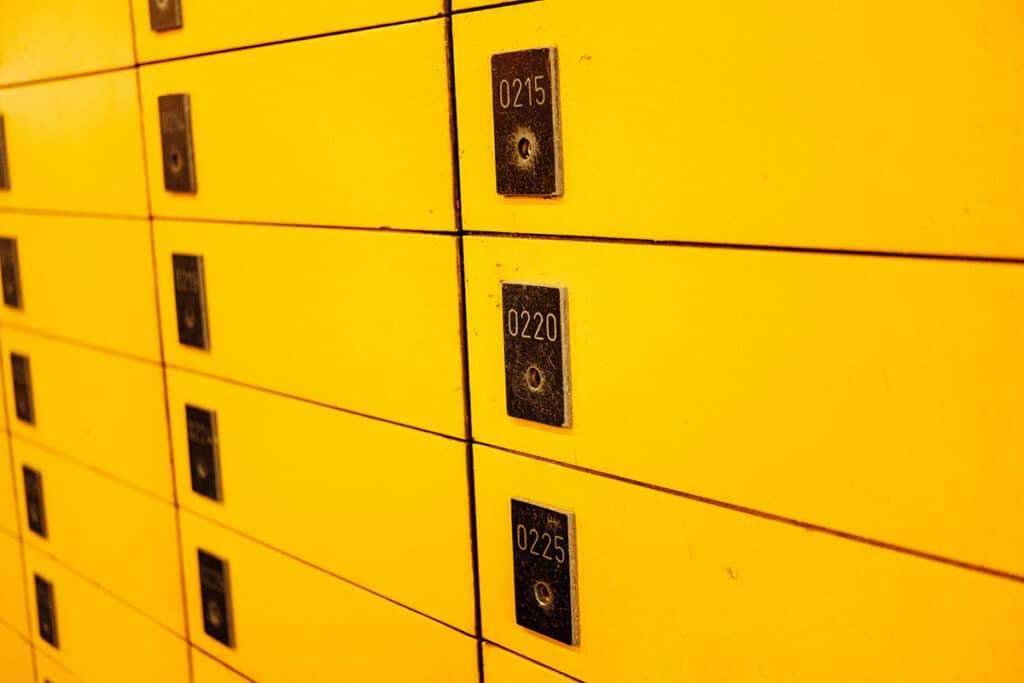
Even in today’s digital world, the biggest and most important assets in your life still come with paperwork.
If you own a home, you should have a physical deed to the house.
If you own a car, you should have a copy of your car’s title.
But where should you store these types of documents?
The key to storing important family documents is balancing security against accessibility. You need protection from disaster and theft, but you also need your loved ones to be able to find the documents quickly when they are needed most.
Here is a breakdown of the best storage options for theese types of documents.
At-Home, High-Security (For Frequent Access and Estate Documents)
This is the recommended place for documents you may need on short notice or those your executor/agent will need immediately upon your passing or incapacitation.
Recommended Container: Fireproof and Waterproof Home Safe/Lock Box
What to Store Here:
- Estate Planning Originals: Your most current Will, Living Trust, Durable Power of Attorney, and Advance Healthcare Directive.
- Titles and Deeds: Original Deed to your house, original Car Titles.
- Identification: Passports, birth certificates, marriage certificates, Social Security cards.
- Current Insurance Policies: Homeowner’s, auto, life insurance policy declarations pages (copies, or a list of where originals are stored).
- Family Heirlooms: A detailed, dated inventory list, photos, and appraisal/insurance documents for the heirlooms.
- Key to the Safe Deposit Box (if you use one).
Key Considerations for a Home Safe:
- Fire Rating: Look for a safe rated to protect documents for at least one hour at a high temperature (e.g., UL 1-hour fire rating).
- Water Resistance: Choose a model rated as water-resistant or waterproof, especially if you live in a flood-prone area.
- Anchoring: Bolting the safe to the floor or a wall provides security against theft.
- Access: Crucially, your spouse, and your appointed executor/successor trustee must know the safe’s location and the combination/key access.
Off-Site, Vault-Level Security (For Hard-to-Replace Valuables)
A Safe Deposit Box at a bank offers superior security against fire, flood, and theft, but it has a significant drawback: limited access.
Recommended Container: Safe Deposit Box (at your bank)
What to Store Here (Documents you rarely need):
- Car Titles/House Deed Copies: Keep the originals in your home safe, or if you prefer to store originals here, make sure your executor is a co-lessee.
- Physical Stock/Bond Certificates
- Family Heirlooms: The physical heirlooms themselves and/or their detailed appraisals.
- Hard-to-Replace Military Records/Citizenship Papers
Key Considerations for a Safe Deposit Box:
- Accessibility Issue: Never store your original Will or Powers of Attorney here! If the bank learns of your death, they may seal the box until a court order is issued, delaying the probate process and access to critical documents needed for immediate funeral or financial matters.
- Co-Lessee: If you choose to store titles here, make sure your spouse or another trusted person is a co-lessee (not just an authorized signer) to ensure they can access it if you are incapacitated.